


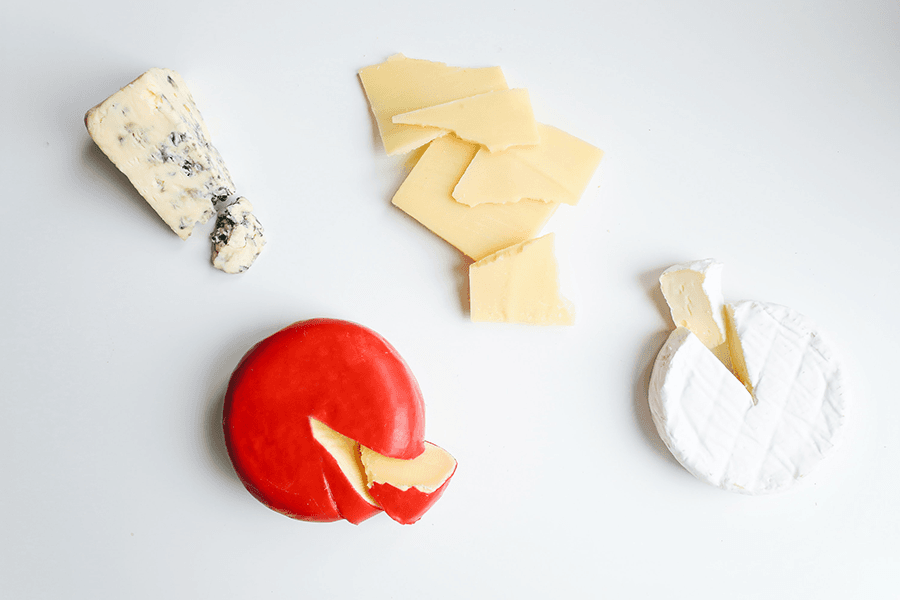


One of the first food safety recommendations many people receive during pregnancy is to avoid certain types of cheese. This advice mainly relates to the risk of listeriosis, a serious infection caused by Listeria monocytogenes. Listeria can be found in some dairy products and can pose serious risks during pregnancy.
If you enjoy cheese, it’s completely natural to have questions. This guide is designed to help you make safer choices while pregnant.
Different recommendations in different countries
Food safety recommendations can vary slightly between countries, which can feel confusing—especially when travelling. US guidance focuses on pasteurisation and proper heating, rather than country of origin.
It’s also important to note that safety depends not only on the type of cheese and whether it’s pasteurised, but also on how the cheese is handled and prepared.
Properly heated cheese is safe
- Thorough cooking kills Listeria bacteria.
- Examples include pizza, casseroles, or baked dishes where the cheese is fully melted and steaming.
- For extra safety, hot foods should reach an internal temperature of at least 165°F (74°C).
Hard cheeses
Hard cheeses made from pasteurised milk are generally considered safe during pregnancy. Pasteurisation involves heating milk to kill harmful bacteria. Always check the label—cheeses sold in the US must state whether they are made with pasteurised milk.
Examples of cheeses generally considered safe during pregnancy
- Cheddar
- Colby
- Edam
- Emmental
- Gouda
- Gruyère
- Manchego
- Parmesan
- Pecorino
- Provolone
- Ricotta (made with pasteurised milk)
Hard goat cheeses made from pasteurised milk are also generally safe. Soft goat cheeses should be avoided unless fully cooked.
Cheeses to avoid
Pregnant individuals should avoid soft cheeses, mould-ripened cheeses, and cheeses made from unpasteurised milk, as these are more likely to support the growth of Listeria.
Cheeses to avoid include:
- Brie
- Camembert
- Blue-veined cheeses (such as gorgonzola, Roquefort, Stilton)
- Queso fresco, queso blanco, panela, and similar fresh cheeses (unless labelled pasteurised)
- Washed-rind and mould-ripened cheeses These cheeses may be eaten if they are cooked thoroughly and served hot.
Sources: