


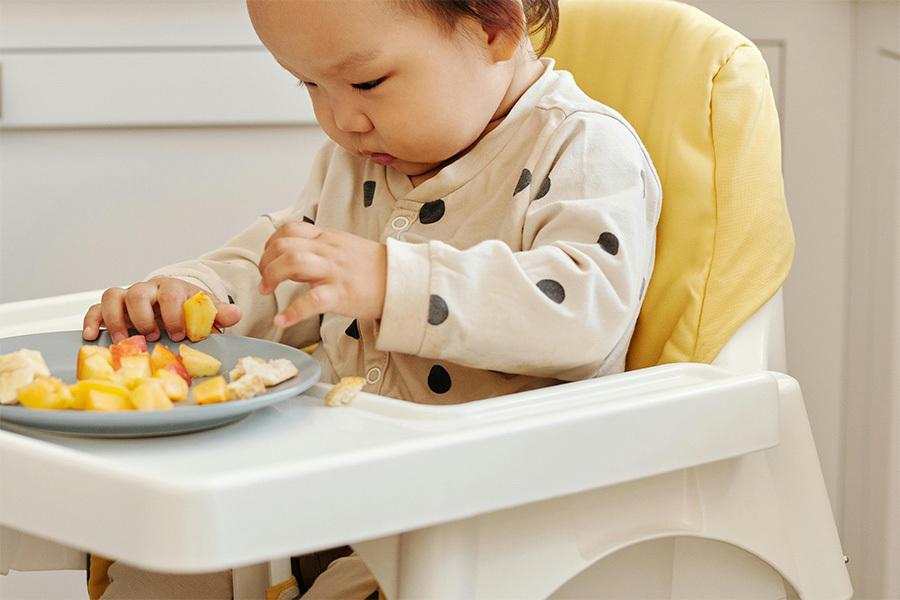


Children need nutrients to grow and develop. Because young children eat smaller portions than adults, their meals and snacks should be nutrient-dense—providing plenty of vitamins and minerals. At the same time, what matters most isn’t what a child eats at one meal or on one day, but their overall eating pattern over time.
So the goal isn’t for every meal to be “perfect.” The bigger goal is to offer a balanced variety of foods across the week.
Healthy food for children is also healthy for the whole family. Because young children can’t reliably judge what their bodies need, adults help by setting the structure. A commonly recommended approach is: the parent decides what foods are offered (and when), and the child decides whether to eat and how much.
Offer variety
Just like adults, children benefit from a varied diet. Offering many different foods helps cover key nutrients—protein, carbohydrates, fats, and a range of vitamins and minerals. Variety also helps children learn to accept new flavors. Many children are unsure about new foods at first and may need repeated exposure before they accept a new taste. Serving a new food alongside something familiar can make it easier.
That said, meals don’t have to be different every day. If your child eats the same meal several times in a week, that’s usually fine. You can aim for variety over time by rotating side dishes, fruits, vegetables, and snacks.
If your child consistently eats only a very small list of foods over a longer period, it can help to talk to your child’s pediatrician. They can check growth and development and help you decide whether extra support (for example from a registered dietitian or feeding specialist) might be useful.
Sources: