




Babywearing is practical, healthy, and comforting—for both you and your baby. Carrying your baby close while keeping your hands free has many advantages. It can strengthen bonding, support breastfeeding, and give parents greater flexibility and freedom in daily life.
Bonding
In the uterus, babies grow accustomed to the steady rhythm of their mother’s heartbeat and the feeling of being held in a snug, enclosed space.
When you carry your baby close, it becomes natural to touch them—stroking their head, kissing them, or holding them against your body. Physical touch promotes bonding between parent and baby. Newborns are comforted by closeness and benefit from gentle support that helps them feel secure. They actively seek contact, especially skin-to-skin. Research shows that physical closeness during infancy is important and may influence a child’s relationships later in life.
The way we’re cared for early in life shapes how we relate to others, even as adults. The bonding process is especially strong during the first two years, when the foundation of the parent–child relationship is formed.
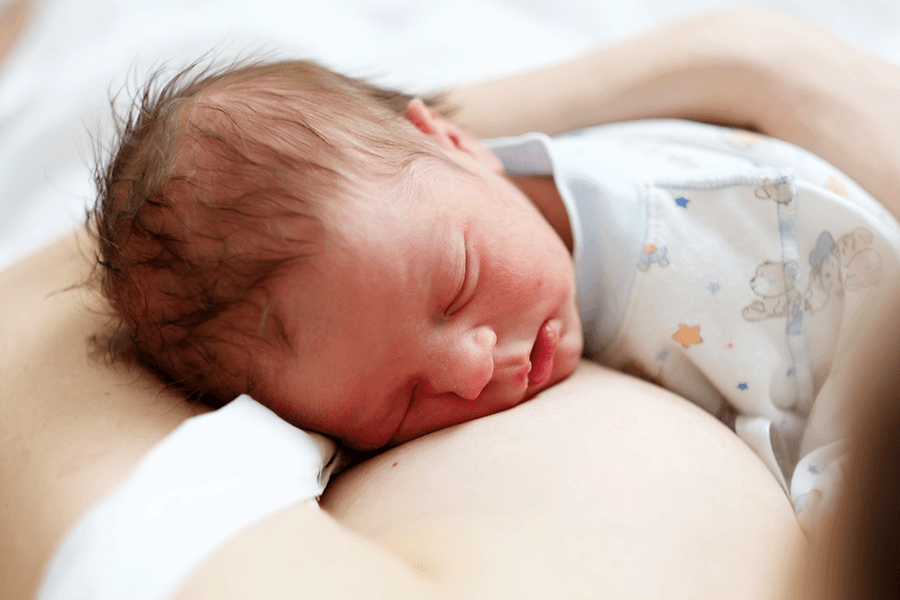
Skin-to-skin contact
The transition from life in the womb to the outside world is one of the biggest adjustments a baby will ever face. Babies have a strong need for closeness, and skin-to-skin contact during the first hours after birth helps make this transition smoother and less stressful.
Research supports a “zero separation” approach during birth and the early postpartum period. Skin-to-skin contact has many benefits, including:
- helping the baby regulate body temperature
- stabilizing blood sugar levels
- supporting healthy growth
- promoting stress regulation
- reducing pain for both baby and parent
Early skin-to-skin contact also supports milk production, helps babies develop effective feeding skills, and exposes them to the parent’s natural bacteria, which supports immune system development. It increases the release of oxytocin, a hormone that helps the uterus contract after birth and reduces bleeding. Many parents also report lower levels of postpartum pain and stress when spending time skin-to-skin with their baby.
Oxytocin
Carrying your baby close strengthens both the physical and emotional connection between you. This is largely due to oxytocin, often called the “feel-good hormone,” which is released through touch.
Oxytocin has both physical and emotional health benefits. Bonding is supported through oxytocin release—you connect with your baby using all your senses. The chest area is especially effective at stimulating oxytocin, which is why carrying your baby against your chest maximizes its release.
Supports breastfeeding
Research shows that babywearing can support and strengthen breastfeeding. Close contact stimulates milk production and helps milk let down more easily.
Many mothers who practice babywearing report a more positive breastfeeding experience. They learn to recognize hunger cues sooner and are able to respond more quickly. As a result, they often nurse more frequently, find breastfeeding easier, and continue for a longer period.
A sense of security
Carrying your baby helps them feel safe and secure. Your baby can feel your warmth, care, and presence, and if something feels uncertain, they can look up at you for reassurance. Gentle movement while being carried often helps babies relax and settle.
Research shows that babies who are carried frequently tend to cry less. Babywearing meets a baby’s physical need for movement and provides comfort through closeness to their caregiver.
Talking to your baby
When you carry your baby, they’re positioned at a level that makes it easier to interact with you and the world around them, which supports development. Even though your baby can’t respond with words, make a habit of talking to them. Narrate what you’re doing and vary your tone of voice. Humans need interaction and connection—we feel seen and valued when others respond to us. From around one month of age, babies begin practicing turn-taking in communication: they listen, respond in their own way, listen again, and respond once more. You can “have conversations” with your baby and let them respond in their own way.
Becoming a more confident parent
Researchers have observed that close contact between parent and child influences both of their behaviors. A calm, content baby often helps parents feel more confident and secure in their parenting role.
Many new parents say that babywearing has increased their confidence. They feel better able to recognize and interpret their baby’s signals and can respond before stressful situations arise, leading to a calmer everyday experience.
Greater freedom
Using a baby carrier or wrap allows you to keep your hands free while still keeping your baby close. Many parents find this gives them greater freedom to manage everyday tasks while maintaining closeness and supervision. If you have older children, babywearing can make it easier to give them attention while caring for the baby at the same time.
It’s beneficial to continue carrying your baby as long as it feels comfortable for both of you. Around 7–9 months, babies often become very curious and want to twist and turn to explore the world. At this stage, inward-facing carrying can help limit overstimulation and make it easier to read your baby’s cues. In time, your child will be ready to face the world—there’s no need to rush.
Sources:
- Moore, E. R., Brimdyr, K., Blair, A., Jonas, W., Lilliesköld, S., Svensson, K., ... & Cadwell, K. (2025). Immediate or early skin‐to‐skin contact for mothers and their healthy newborn infants. Cochrane Database of Systematic Reviews.