


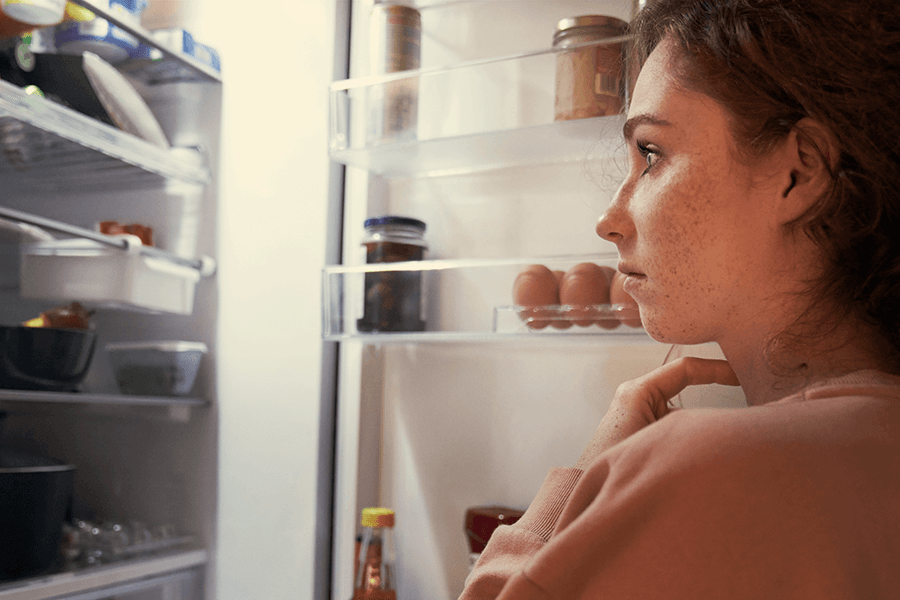


Approximately 10 million women in the world struggle with an eating disorder (ED). With all the physical changes that happen during pregnancy, this period can be especially challenging for women affected by an ED, such as bulimia and anorexia. The behaviours triggered by these conditions may affect your pregnancy and your baby’s development in a negative way.
Some women who suffer from an eating disorder may have the condition somewhat controlled during pregnancy, but then have a strong relapse during postpartum. Due to the higher risk for postpartum depression and the physical changes your body goes through during pregnancy, some women fall into old unhealthy patterns right after giving birth. For others, pregnancy represents a turning point, a moment of recovery, a redefinition of their relationship with their bodies. Throughout this period it is important to have a support team of specialists by your side since the beginning, including a nutritionist and a psychologist.
Types of eating disorders
The two most common EDs are bulimia and anorexia. The first one consists in the habit of binge eating followed by the act forcing it out of your system, by either inducing vomit or using laxatives. While anorexia corresponds to an obsessive and restrictive diet, excessive exercise practice or even starvation in order to lose weight.
The importance of medical monitoring
Someone with an ED is more likely to have complications during birth, premature delivery, low birth weight, preeclampsia and miscarriage. Nevertheless, there is no need to panic, with the right support system you will manage to lower those risks. If you struggle with an ED and you are trying to have a baby it is important to have professional advice right away. The combination of stress, low calorie intake and excessive physical activities result in lower chances of conceiving. If that is your case, now you need to focus on:
- Maintaining a healthy weight
- Establishing a healthy diet with the help of a nutritionist
- Creating a balanced exercising routine
- Starting/Continuing therapy sessions
If you are expecting, you should:
- Inform your health care providers about your ED
- Maintain a healthy weight gain
- Nurture your body
- Continue your therapy sessions
If you have just given birth, what you need to do is:
- Ask for your family’s help and support, since you are of higher risk of postpartum depression
- Continue with therapy counselling
- Have a nutritionist guide you through a new diet, since there is a risk of relapsing after giving birth
Eating disorders go so much beyond a mere vanity and the desire to conform to society’s beauty standards, they are serious conditions. Especially in a moment as delicate as pregnancy, women with EDs need support. They are aware of the fact that they need to eat and keep a proper diet, so their babies can develop and grow strong. However, when for you, food represents guilt, anxiety and self-hate, “to eat or not to eat” is not an easy decision to make. The essential thing now is getting professional help to create new habits that will protect both yours and your baby’s health.
References:
- Eating Disorder Hope. (2017, July 30). Dealing with Pregnancy and Eating Disorders, What to Expect. https://www.eatingdisorderhope.com/treatment-for-eating-disorders/special-issues/pregnancy/body-image-nutrition-change-coping.
- Eating Disorders and Pregnancy. (2021, July 16). American Pregnancy Association. https://americanpregnancy.org/healthy-pregnancy/pregnancy-health-wellness/eating-disorders-and-pregnancy/.
- Eating disorders in pregnancy. (2018, October 18). Tommy’s. https://www.tommys.org/pregnancy-information/im-pregnant/mental-wellbeing/eating-disorders.
- Micali, N. (2008). Eating disorders and pregnancy. Psychiatry, 7(4), 191-193.