


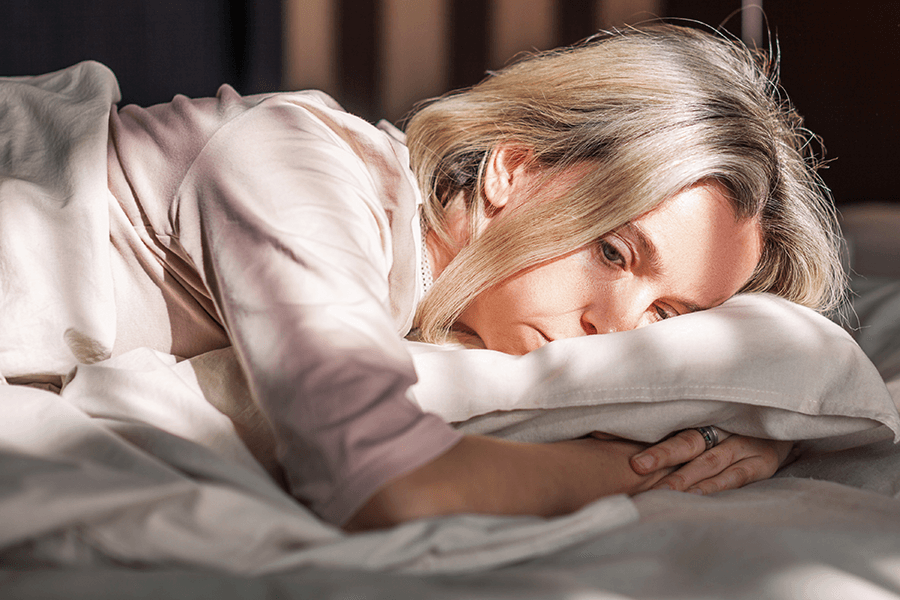


During pregnancy, women are more susceptible to experiencing anxiety due to the constant physical and hormonal changes, stress before the unknown and/or extra responsibility and many other unique aspects of this period. Over 264 million people around the world suffer from anxiety disorders. There is no shame in feeling anxious and overwhelmed. Anxiety is a highly treatable condition, and there are many techniques you can chose to guide you through it.
Common symptoms for anxiety:
- Hyperventilation (over breathing)
- Fatigue
- Tension
- Restlessness
- Insomnia
- Sweating
- Panic
- Tachycardia (increase in your heart rate)
- Gastrointestinal problems
Short-term options
For an instant relief you can rely on short exercises to help you to start feeling better. For lasting results, you can incorporate them into your daily routine.
Breathing exercise
- Find a position that feels most comfortable to you; you can stand up, sit, or lie down if you want.
- Wear clothes that allow you to breathe easily or loosen the ones you are already wearing.
- Breathe in deeply and gently through your nose, and let the air drop down to your belly.
- Without holding your breath, breathe out through your mouth.
(Repeat this cycle for 5 minutes)
3-3-3 rule
The 3-3-3 rule is a grounding technique that evolves three senses: sight, sound and touch.
- Pause and look around
- Name three objects around you
- Notice their details
- Listen to the sounds around you
- Identify three sounds in your environment
- Notice their nuances
- Move three parts of your body
Progressive muscular relaxation
An effective way to help an anxious body is by progressively relaxing the muscles. You can do it from your toes and work your way up to the top of your head or do the opposite; start with the muscles on your forehead and work your way down. First you contract your muscles, hold it for a couple of seconds and then relax them. Slow down your breath and direct your attention to the feeling of tension followed by relief your body is experiencing. Take your time, it should take you around 15 minutes to complete the routine.
Long-term options
Some of the so-called “long-term” options may work right away just like the exercises listed above. However, their real effectiveness lies in practice and consistency. By incorporating these techniques to your everyday life, you may not only be able to cope with anxiety more easily, but also to prevent some episodes from happening.
Meditation
There are many benefits that come with taking a few minutes of your day to meditate, but the most important ones for moments of anxiety are that it makes you focus on your breath and live in the present moment. Meditation connects you with your body and therefore with your baby.
Preglife has created Meditation exercises solely for this purpose. Preglife Meditation consists of exercises that has been developed together with experts to improve your response to worry and stress as well as your compassion towards yourself and others. You can find it under Tools > Preglife Wellness.
Exercising
Exercising regularly has a positive impact in yourself both physically and mentally. Your body has a neurochemical response to aerobic exercises. It stimulates the release of endorphin and reduces levels of cortisol and adrenaline, which results in a feeling of calm and relaxation. A physical activity is also an opportunity to clear your head and enjoy some time by yourself.
Face your fears (one small step at a time)
Last, but certainly not least, be kind to yourself and face your fears little by little. There is a lot of change happening every moment, you don't have to process it all at once. Ask yourself, “which of my worries belong to the present? What action can I take now?”.
Like any other health condition, it is always important to consult your health provider. Especially if your anxiety starts to interfere with your life at any level or becomes a severer problem. Always remember you do not have to deal with it by yourself.
Sources:
- Anxiety disorders - Symptoms and causes. (2018, May 4). Mayo Clinic.
- Beyond Blue. (n.d.). Beyond Blue. Retrieved September 7, 2021.
- Breathing exercises for stress. (2021, February 17). Nhs.Uk.
- Dattani, S. (2021, August 20). Mental Health. Our World in Data.
- Harvard Health. (2020, July 7). Exercising to relax.
- Lynne, J. (2021, June 16). Anxiety About Going to Work? 3–3-3 Rule to Manage Overwhelm. Atrium.