


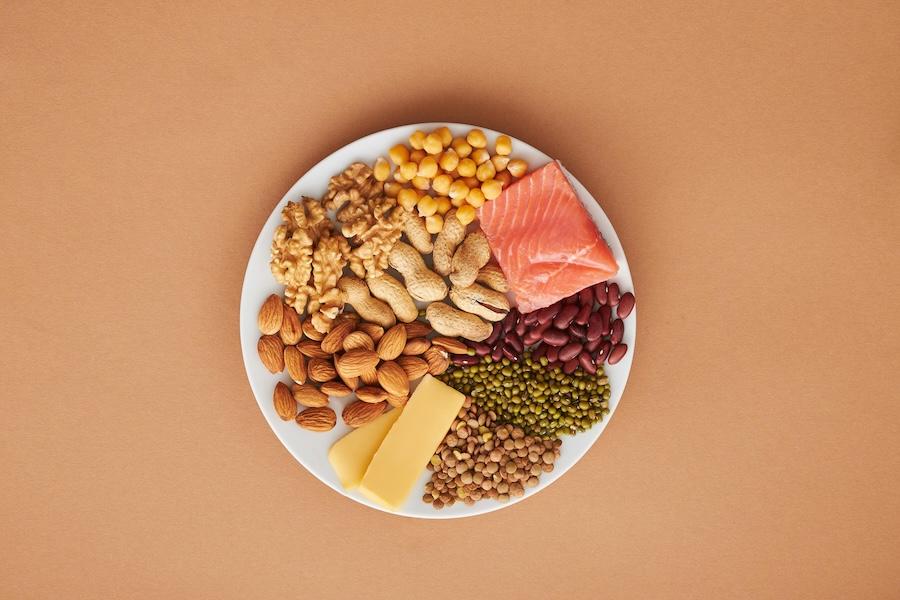


The best way to get the vitamins and minerals you need during pregnancy is through a healthy, balanced diet. Food also provides many additional nutrients that support both your health and your baby’s development.
Some nutrients are especially important during pregnancy, including:
- omega-3 fats (DHA)
- vitamin D
- folic acid/folate
- iron
- iodine
Good sources of important nutrients
DHA (an omega-3 fat)
Fatty fish such as:
- salmon
- mackerel
- herring
- sardines
contain DHA, an omega-3 fat that supports your baby’s brain and eye development.
The FDA and ACOG recommend eating 2–3 servings of low-mercury fish per week during pregnancy. If you do not eat fish, ask your healthcare provider whether a DHA supplement may be appropriate.
Vitamin D
Vitamin D is found in:
- fatty fish
- eggs
- fortified milk and dairy products
- fortified cereals
Sunlight also helps your body produce vitamin D.
Some pregnant people may need a vitamin D supplement, especially if they have low dietary intake or limited sun exposure. Talk with your healthcare provider if you have questions about supplementation.
Folic acid / folate
Folate is naturally found in foods such as:
- leafy green vegetables
- beans and lentils
- citrus fruits
- whole grains
In the US, everyone who could become pregnant is recommended to take 400 micrograms (mcg) of folic acid daily before pregnancy and during early pregnancy. Folic acid helps reduce the risk of neural tube defects, including spina bifida.
After the first trimester, folate remains important for your baby’s growth and your body’s blood production.
Iron
Iron-rich foods include:
- meat
- fortified cereals
- beans and lentils
- leafy green vegetables
- nuts and seeds
Many pregnant people need additional iron during pregnancy because iron requirements increase significantly. Your healthcare provider may monitor your iron levels with blood tests during pregnancy.
Good to know:
- calcium can reduce iron absorption, so avoid taking iron supplements together with milk or calcium supplements
- vitamin C can improve iron absorption
Iodine
Iodine is important for your baby’s brain and nervous system development. Sources include:
- dairy products
- seafood
- eggs
- iodized salt
Many prenatal vitamins in the US also contain iodine.
Sources: