


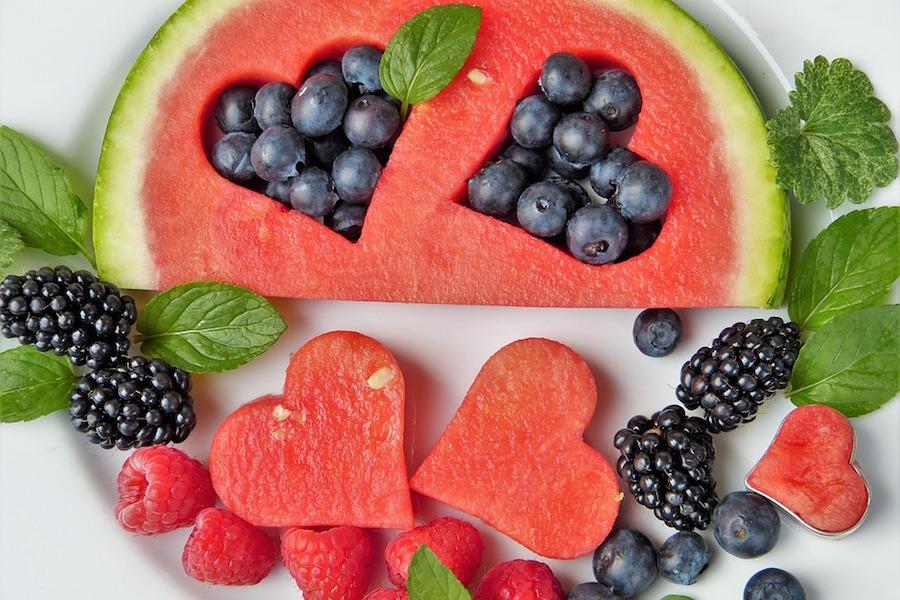


Many children enjoy fruits and vegetables—especially when they can explore them at their own pace. At the same time, it’s common for young children to not eat enough fruits and vegetables. Try serving vegetables at both lunch and dinner, and offering fruit daily. Varying colour, shape, and how foods are served can help spark curiosity and make healthy eating feel more enjoyable.
Fresh, frozen, or cooked
Frozen vegetables are a convenient everyday option. In the U.S., public health guidance supports using fresh, frozen, or canned fruits and vegetables—what matters most is offering variety and choosing options with little or no added sugar (for fruit) and low sodium (for vegetables).
- Microwaving vegetables often helps preserve nutrients because it uses shorter cooking times and less water.
- Steaming is also a gentle, simple method that helps keep texture and nutrients.
Beans and lentils
Beans and lentils are nutrient-rich options. If you use dried beans or lentils, cook them according to package instructions. Canned beans and lentils are already cooked and can be served as-is, but rinsing canned beans can help reduce sodium.
Easy ways to include more fruits and vegetables
Here are simple, realistic ideas that fit everyday family life:
- Offer veggie “starter snacks” while you cook—like cucumber sticks, soft-cooked carrot sticks, or small pieces of steamed broccoli or cauliflower. This can take the edge off hunger and make mealtimes calmer.
- Mix vegetables into foods your child already likes—for example shredded carrots, finely chopped spinach, crushed tomatoes, corn, or beans in pasta sauce, chili, or stews.
- Serve fruit in easy-to-grab shapes, like soft pear slices, ripe banana rounds, or thin apple slices (cooked or very thinly sliced for younger children, as needed). Keeping fruit washed and visible can help kids choose it more often.
Sources: