




Babies can eat many of the same foods as the rest of the family, but some foods should be avoided or delayed until after the first birthday due to safety or nutritional concerns.
Honey
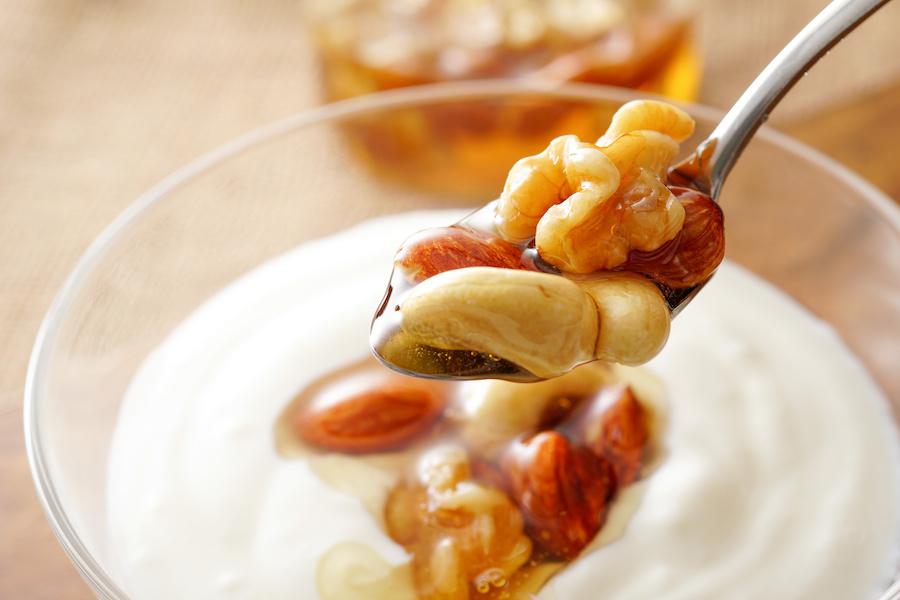
Honey should not be given to infants under 12 months of age. It can contain spores of Clostridium botulinum, which may grow in a baby’s immature digestive system and produce a dangerous toxin that causes infant botulism.
Unpasteurized milk and dairy products
Unpasteurized (raw) milk and dairy products can contain harmful bacteria such as E. coli, Salmonella and Campylobacter. These products should be avoided by both children and adults, but especially infants and young children, who are more vulnerable to severe illness.
Rice cakes and rice drinks
Rice-based products can contain inorganic arsenic. Because infants and young children are more sensitive to arsenic exposure, rice cakes and rice-based drinks are not recommended for young children. Rice cereal and other rice products should be offered in moderation and varied with other grains.
Added salt
Babies under 1 year cannot regulate sodium in the same way adults can. Avoid adding salt to your baby’s food and limit salty processed foods such as cured meats and snack foods. Season foods with herbs and mild spices instead. If sharing family meals, set aside the baby’s portion before adding salt.
Added sugar and sweetened foods
Avoid foods and drinks with added sugar. Sugar provides calories without essential nutrients and increases the risk of tooth decay. Sweetened yogurts, desserts, cookies, candy, juice drinks and soda should be avoided. Water is the best drink when your baby is thirsty.
Whole nuts and peanuts
Whole nuts and peanuts are a choking hazard and should not be given to infants. This is a safety issue, not an allergy issue. Smooth nut butters, thinned with water or mixed into food, can be introduced in developmentally appropriate ways.
Fennel tea and herbal teas
Herbal teas, including fennel tea, are not recommended for infants. There is limited evidence regarding safety, and infants do not need herbal teas for digestion or comfort.
Water from private wells
If your household uses water from a private well, the water should be tested before being given to infants. Contaminants such as bacteria, nitrates, arsenic, manganese and fluoride can pose health risks, and infants are especially sensitive.
Avoid constant snacking
Constant snacking can interfere with appetite development and increase the risk of tooth decay. Avoid offering sweet drinks in bottles or sippy cups. Encourage regular meals and water between meals instead.
Sources: