


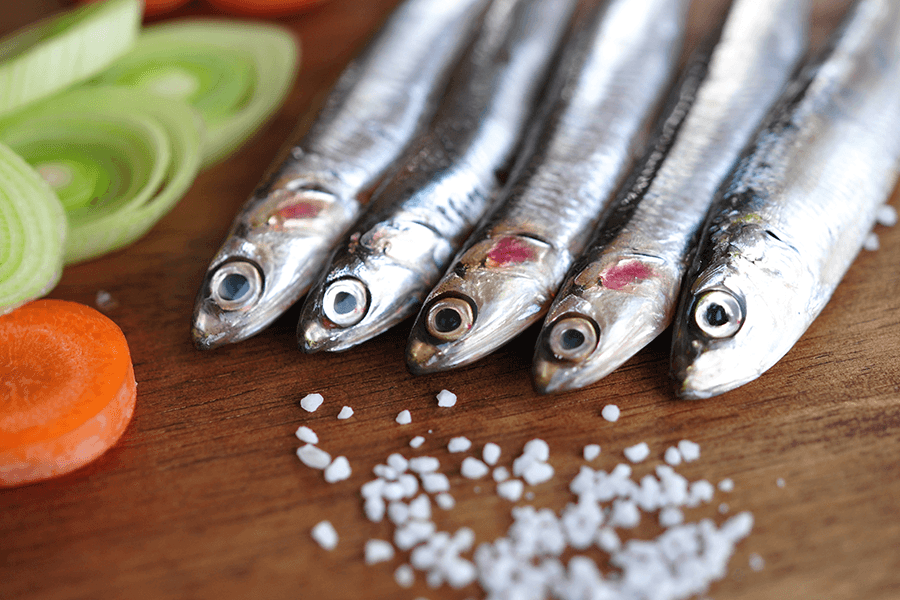


Fish and shellfish are excellent sources of important nutrients that support children’s growth and development, including vitamin D, iodine, selenium and protein. Fatty fish such as salmon, sardines and mackerel also provide DHA, an omega-3 fatty acid that plays a key role in brain and eye development.
US dietary guidance recommends that children eat fish about 2 times per week, choosing a variety of fish to maximise nutritional benefits and minimise exposure to environmental contaminants. Variety is beneficial both for health and sustainability.
Easy ways to serve fish
Fish doesn’t have to be complicated to prepare. Simple options include:
- Baking, steaming or boiling fish until fully cooked and flaky
- Using commercially prepared fish products made for children
- Serving fish as a spread, such as canned salmon or sardines on bread
Trying different formats can make it easier to find options your child enjoys.
If your child doesn’t eat fish
If a child eats little or no fish, meals prepared with canola oil and canola-based spreads can help provide omega-3 fats. The body can convert some of these fats into DHA, but conversion is limited.
Plant sources such as walnuts and flaxseed oil also contain omega-3 fatty acids, but they do not fully replace the DHA naturally found in fish.
Fish that may contain environmental contaminants
Most commonly eaten fish are safe for children when consumed regularly. However, some fish may contain higher levels of environmental contaminants such as mercury, PCBs or dioxins. US authorities advise limiting or avoiding fish that are high in contaminants, especially for young children and women who may become pregnant. Examples include:
- Shark
- Swordfish
- King mackerel
- Tilefish (from the Gulf of Mexico)
Locally caught fish from lakes and rivers may also contain contaminants. Always check local fish advisories before serving locally caught fish to children. Fish commonly sold in US grocery stores—such as salmon, cod, pollock, haddock and canned light tuna—are generally considered safe choices for children when eaten in recommended amounts.
Sources: