


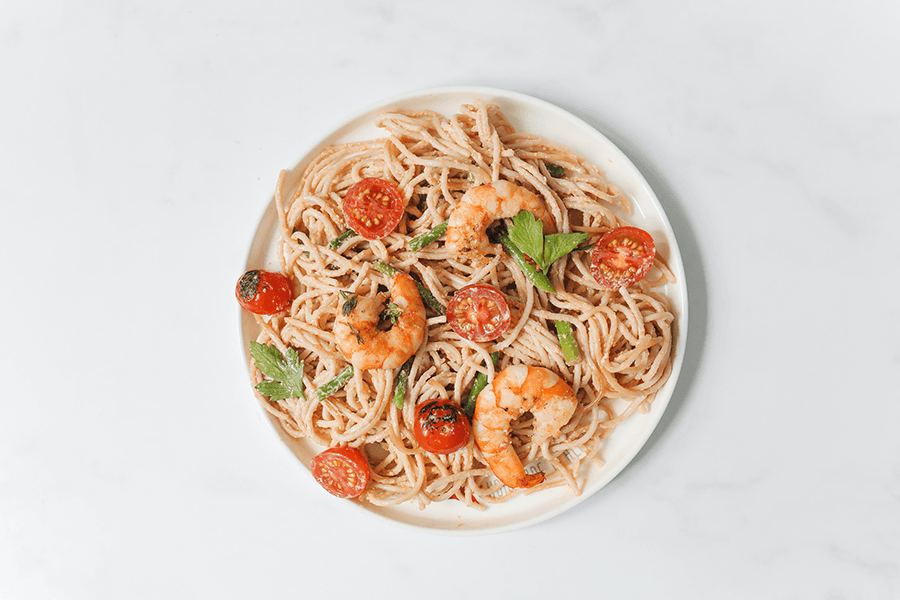


Fish and seafood provide important nutrients such as vitamin D, iodine, selenium and omega-3 fatty acids (DHA), which support your baby’s brain and eye development during pregnancy and breastfeeding.
The FDA and EPA recommend eating 2–3 servings of fish per week, choosing a variety of low-mercury options.
Best choices (eat 2–3 times per week)
Examples of fish and seafood that are considered low in mercury and safe to eat regularly:
- Salmon
- Sardines
- Atlantic and Pacific mackerel (not king mackerel)
- Cod
- Haddock
- Pollock
- Tilapia
- Shrimp
- Catfish
- Canned light tuna
- Scallops
- Clams and mussels
These options provide beneficial nutrients while keeping mercury exposure low.
Good choices (eat in moderation)
These fish are safe but should be limited to about 1 serving per week:
- Albacore (white) tuna
- Halibut
- Snapper
- Mahi-mahi
Fish to avoid (high mercury)
The following fish contain high levels of mercury and should be avoided during pregnancy and breastfeeding:
- Shark
- Swordfish
- King mackerel
- Tilefish (from the Gulf of Mexico)
- Bigeye tuna
Raw and smoked fish
Raw fish (such as sushi), smoked seafood, and refrigerated ready-to-eat seafood can carry bacteria or parasites. Choose freshly prepared, properly handled products. Avoid refrigerated smoked seafood unless it has been cooked.
Why variety matters
Different types of fish contain different nutrients. Eating a variety helps you:
- get enough omega-3 fatty acids (DHA),
- reduce exposure to contaminants,
- support your baby’s development.
Sources: