


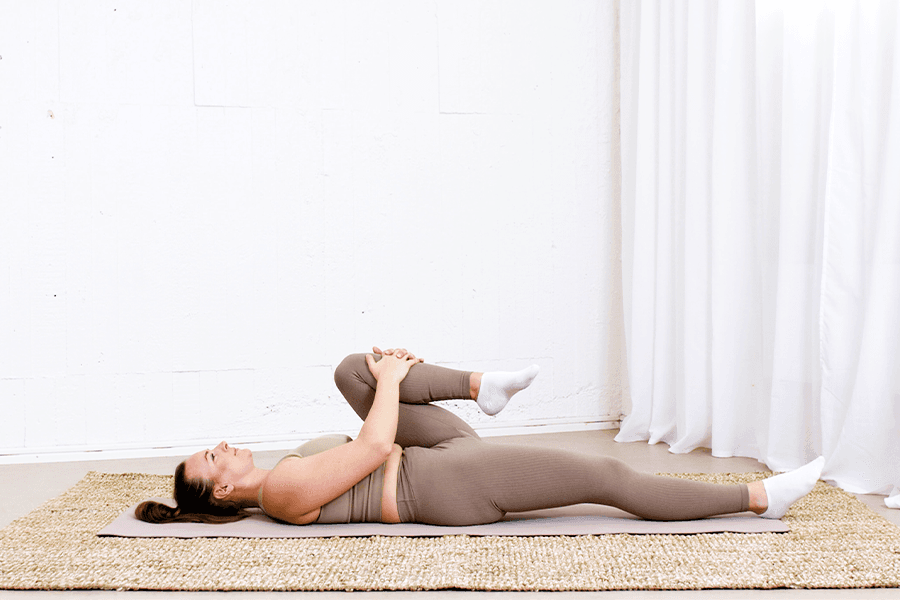


Many changes take place in the body early in pregnancy, even though it often takes some time before the belly grows and feels heavier. During the first trimester, breathing may feel heavier and your heart rate increases, which means you may need to lower the intensity of your exercise sooner than expected. Many women also experience pronounced fatigue and nausea during this period.
You can often exercise as usual
If you are not affected by early pregnancy symptoms, you can usually continue exercising as you did before, as long as it feels comfortable. A combination of cardio and strength training at a moderate intensity is generally beneficial.
For others, it may feel difficult to maintain their usual exercise routine. In that case, it’s important to listen to your body and let it guide how active you can be.
Exercising with pregnancy-related symptoms
Everyone responds differently to pregnancy, which makes it difficult to give general exercise advice that suits everyone. If you experience symptoms such as pelvic pain, back pain, carpal tunnel syndrome, or pelvic floor symptoms, it’s recommended to seek support from a physiotherapist or other healthcare professional with expertise in women’s health. This can help ensure you receive an assessment and personalised advice.
If you have a medical condition or a high-risk pregnancy, you should always consult your doctor or other healthcare professional before starting or continuing exercise, to make sure it is safe for you.
Sources: