




Continue to introduce a variety of flavours and textures so your baby becomes comfortable with many different foods. New foods are often easier to accept when served together with familiar favourites.
Variety is important, but the pace should remain relaxed and guided by your baby’s interest and cues.
Breakfast, snacks and evening meals
Good options for breakfast, snacks and evening meals include:
- breast milk or infant formula
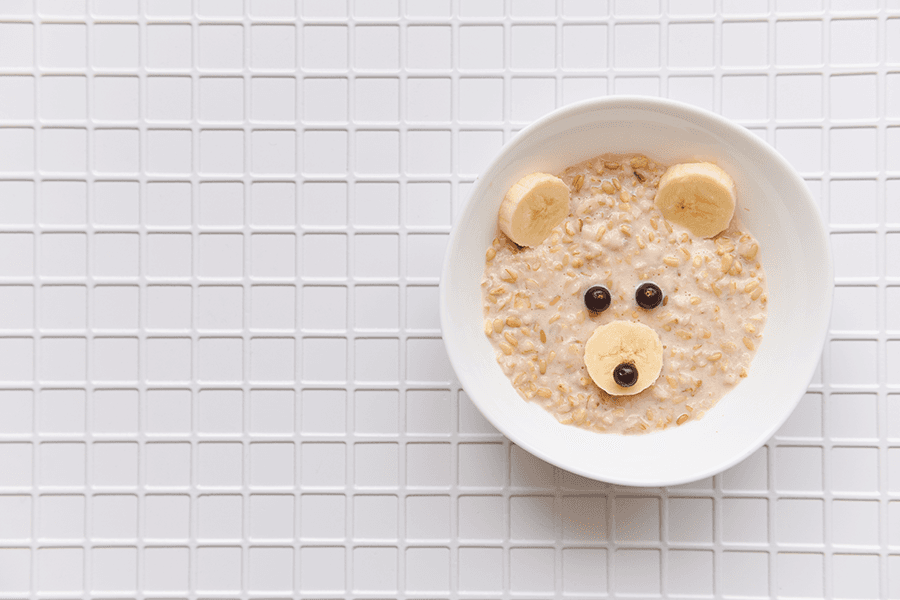
- infant cereal or porridge (preferably offered in a cup rather than a bottle)
- soft bread or toast fingers
Serve alongside:
- fruit
- vegetables
Infant cereal and porridge
For babies under one year, iron-fortified infant cereals are recommended, as they provide important vitamins and minerals—especially iron, which many infants do not get enough of through other foods.
It’s helpful to:
- vary between different types of infant cereal
- vary brands to expose your baby to different flavours and textures
Occasionally offering homemade cereal can help your baby become familiar with a wider range of tastes and consistencies.
Total cereal-based meals should generally be limited to no more than three per day, as babies also need to practise chewing and eating other types of foods.
Whole grains and fibre
Whole grains and fibre are beneficial for babies, but amounts need to be adjusted:
- some babies may develop loose stools
- others may become constipated
Digestive responses vary, so try different options.
A good strategy is to:
- alternate between whole-grain and refined grain products
- adjust foods that are specifically for the baby, rather than changing family meals
Dairy products
Cow’s milk should not be given as a main drink before 12 months of age. While dairy products provide valuable nutrients, cow’s milk is low in iron. Large amounts may reduce intake of iron-rich foods and increase the risk of iron deficiency.
Breast milk, infant formula, or appropriate follow-up formulas provide dairy nutrition in a form better suited to infants.
Lunch and dinner
A good foundation for lunch and dinner includes:
- potatoes, rice, pasta, bread or similar grains
- vegetables
Add protein sources such as:
- meat, fish or poultry
- eggs
- beans, lentils or tofu
Finish meals with:
- fruit
Vitamin C-rich foods help improve iron absorption from plant-based sources.
Homemade or commercial baby food?
Commercial baby foods are safe and nutritionally regulated in the US, but relying on them exclusively can be costly. Homemade baby food doesn’t need to be complicated.
A simple approach is to:
- use a portion of the family meal
- avoid adding salt
Babies under one year cannot handle sodium in the same way adults can.
Fat, protein and iron
Children under two years of age need relatively higher fat intake to support rapid growth and brain development. When preparing homemade meals:
- add about 1 teaspoon of oil (such as canola oil) per serving
- keep total added fat moderate over the day
Commercial baby foods already contain appropriate amounts of fat. Most infants get enough protein, but iron is a common nutrient of concern. Despite their small size, infants need relatively high iron intake due to rapid growth and expanding blood volume.
To meet iron needs, iron-rich foods are often necessary:
- iron-fortified infant cereals
- meats, poultry and fish
- beans, lentils and tofu
Iron from plant foods is absorbed less efficiently, but absorption improves when meals include vitamin C-rich fruits or vegetables.
Sources: